Okay, so check this out—I’ve been juggling wallets for years. Wow. Wallets that promise convenience often feel like leaky boats when you start doing anything slightly advanced. My instinct said something felt off about the UX-heavy wallets that gloss over security trade-offs. Initially I thought a single “all-in-one” extension would do it, but then I kept tripping over failed transactions, strange approvals, and clunky multi-chain behavior.
Here’s the thing. Rabby isn’t perfect. Seriously? No, but it gets a lot of painful details right. It simulates transactions, separates approvals, and gives you clearer signals about what you’re signing. On one hand you get a modern multi-chain UI; on the other hand, the team has made specific choices that favor explicitness over hand-holding—though actually that’s precisely why power users like me appreciate it.
My first impressions were visceral. Whoa! The moment I installed it, the layout felt deliberate. I could see balances, pending approvals, and gas suggestions without hunting across menus. Something about that clarity reduced my anxiety immediately. Hmm… maybe it’s just me, but when a wallet makes the hard parts visible, I feel calmer. And calmer means fewer dumb mistakes.
What Rabby Does Differently
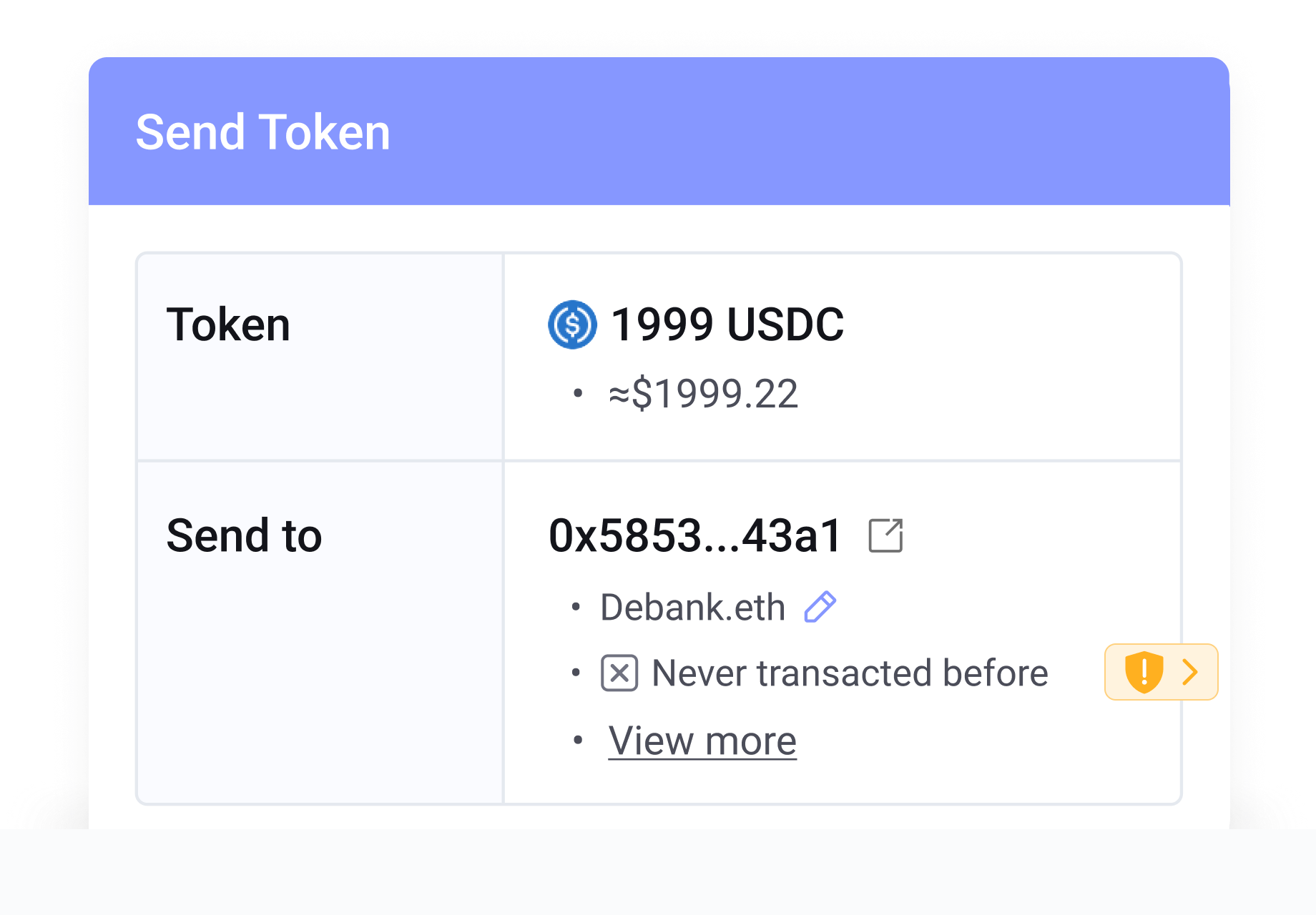
Quick hit: it simulates transactions. Short sentence. That matters. Rabby runs a preflight simulation so you can see exactly what will happen before you sign. Medium-length thought here: that simulation surfaces slippage, token routes, and contract calls, which is huge when you’re doing complex DeFi moves across chains.
Longer thought now—this simulation step, though not infallible, reduces reliance on hope and improves situational awareness, because many wallets assume the transaction will match what the dApp displays and they don’t model the chain state or pending mempool changes that could alter outcomes. Initially I treated simulations as an optional nicety, but after a sticky swap with a 25% unexpected slippage (yikes), I started trusting simulation outputs more than the site copy.
Rabby also segregates approvals. Brief aside: approvals are the silent attackers of your token balance. If you’ve ever blindly clicked “approve unlimited,” you know what I mean. Rabby nudges you toward least-privilege approvals and makes revoke/adjust easier to manage. I’m biased, but this part bugs me less than it used to.
Installing Rabby — Fast Practical Guide
First, head to the official page to avoid clones. I used this link during setup: rabby wallet extension. Short reminder: only install extensions from verified sources, and double-check the domain. Okay, pro tip—use browser profiles if you want separation between daily browsing and DeFi sessions.
Step-by-step, medium pace: add the extension, create or import a seed phrase, set a strong password for local access, and then hop into the settings to enable the chains and networks you actually use. Long thought: don’t enable every chain at once—keep the attack surface minimal. It sounds tedious, but trust me, it’s better to opt into what you need and avoid options you don’t.
One small nit: during one install my wallet UI froze for a sec—double click?—nothing major, very very minor. I refreshed the page and everything came back. Minor hiccups happen; just don’t panic and don’t paste your seed anywhere.
Day-to-Day: How I Use It
Short note: I keep Rabby open in a dedicated browser profile. That helps compartmentalize. Medium explanation: I use it for swaps, bridging, and signing DeFi contracts. The transaction simulation gives me a quick check against front-running or routing oddities. On the rare occasions I need to authorize a protocol for unlimited spends, Rabby calls that out so I can weigh the trade-offs.
Longer reflection: for multi-chain workflows, Rabby’s network management is functional rather than flashy—no gimmicks, just reliable switching. Initially I was annoyed that some networks required manual RPC input, but actually that forces you to understand the endpoints you’re connecting to, which is a very good discipline in this space.
(oh, and by the way…) It works smoothly with hardware wallets for those of you who prioritize air-gapped keys. Plug in your Ledger or Trezor, do the approvals there, and Rabby will act as the interface without moving keys off-device. I’m not 100% sure about every hardware combo—there are occasional compatibility quirks—but generally it’s solid.
Security and UX Trade-offs
Short: trade-offs exist. Medium: Rabby favors explicitness over automation. That means more clicks sometimes, but fewer surprises later. Long: this design philosophy aligns with the needs of DeFi power users who prefer visibility over convenience, because one mistaken approval can be catastrophic, and clarity here directly reduces risk exposure.
My working through the contradictions: at first, I missed aggressive autopopulate features from other wallets. Then I realized autopopulate had been the source of at least two mistakes I made in the past. So, on one hand, autopilot feels nice; on the other hand, being forced to confirm each important detail trains better habits. Actually, wait—let me rephrase that—it’s not for everyone, but for users who trade frequently or use contracts, the explicit confirmation is worth the time.
Common Questions I Get
FAQ
Is Rabby safe enough for high-value accounts?
Short answer: generally yes. Medium: it supports hardware wallets and gives you transaction previews and approval controls, which are crucial for protecting large balances. Long caveat: security is layered—OS hygiene, browser policies, and your own habits matter. No extension is a silver bullet; use best practices like hardware keys and separate profiles.
How does the transaction simulation help?
Simulation shows expected token movements, estimated gas, and potential slippage before you sign. That reduces surprises such as failed swaps or unexpected routing. It doesn’t guarantee outcome—chains move fast—but it raises your situational awareness and prevents many common errors.
Can I use Rabby across many chains?
Yes, you can add multiple networks, but the practical advice is to enable only those you actively use. That keeps your UI tidy and reduces accidental interactions with unfamiliar chains. Also, manual RPC config occasionally needed—it’s a nudge toward better understanding.
Here’s what bugs me about most wallet narratives: they brag about “zero friction” while hiding meaningful choices. Rabby doesn’t hide those decisions. It surfaces them. That felt refreshing. My gut said this was the right move before I even ran deep tests, and the data supported the intuition after a few weeks of real trades.
I’m biased toward wallets that make me think twice before approving, and Rabby forces that—deliberately. On the flip side, if you crave one-click everything, Rabby might feel a touch verbose. Still, for power users who care about robust DeFi interactions, that verbosity is a feature, not a bug.
Final note—this is a living tool. The team ships updates, the ecosystem shifts, and my habits adapt. I’m still learning new edge-cases, and I’m intentionally leaving some threads unexplored here because your workflows will differ. If you want a wallet that treats transaction intent as a first-class citizen and gives you the controls to act safely, give the rabby wallet extension a look.